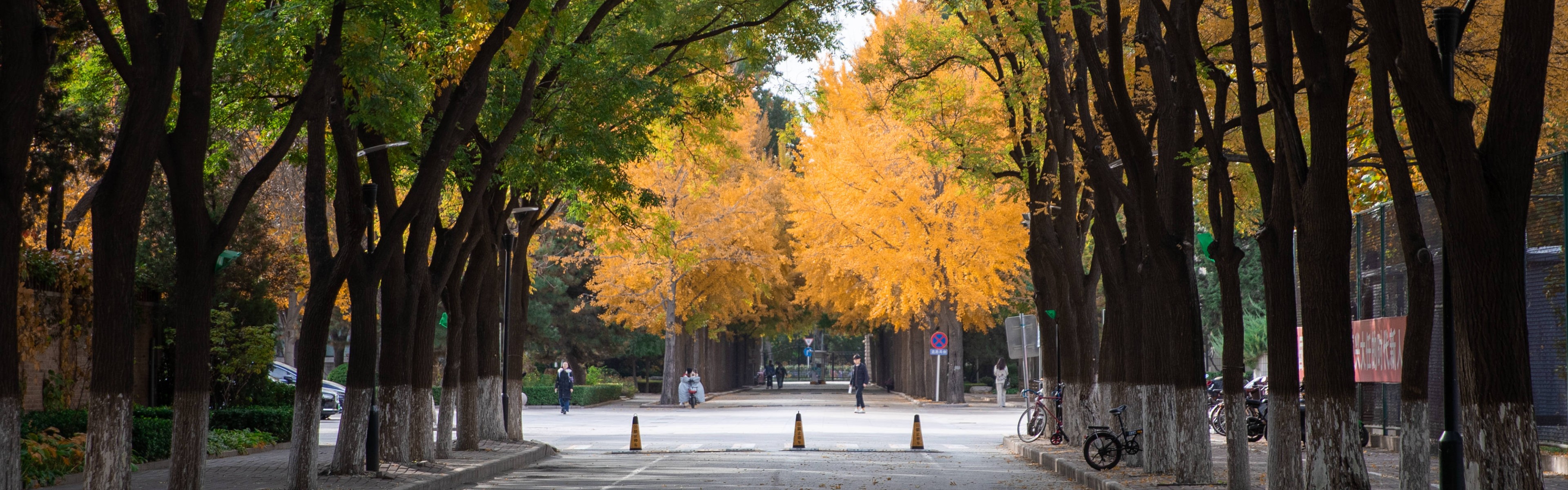
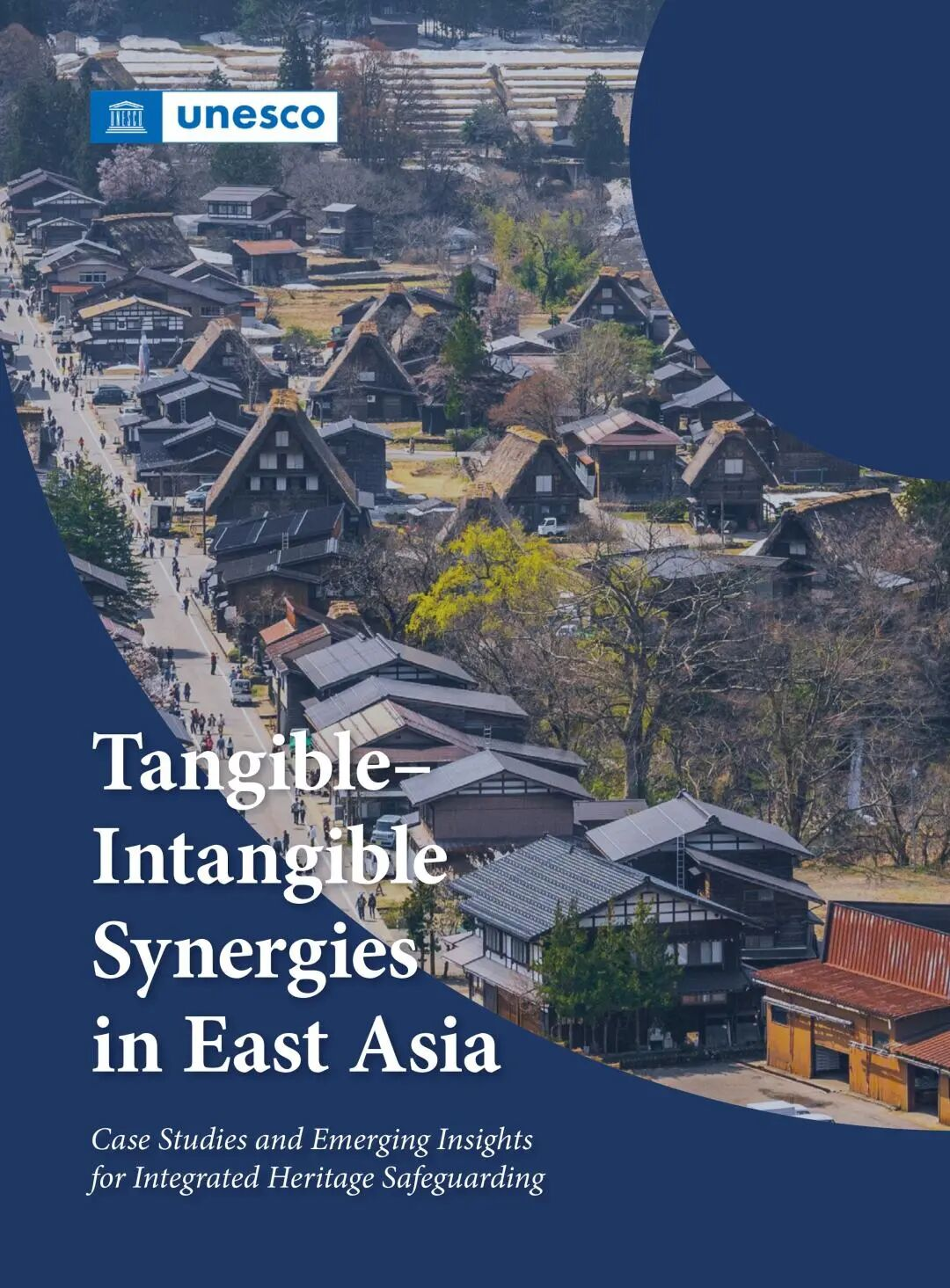
Recently, UNESCO officially released Tangible–Intangible Synergies in East Asia: Case Studies and Emerging Insights for Integrated Heritage Safeguarding. The Summer Palace case on imperial bonsai, prepared by the Beijing Summer Palace Administration with support from the Joint Lab of Heritage & Landscape Conservation by BFU and ICCROM, was selected for inclusion in Tangible–Intangible Synergies in East Asia: Case Studies and Emerging Insights for Integrated Heritage Safeguarding. In 2025, the UNESCO Regional Office for East Asia, together with several UNESCO Category 2 Centers in the Asia-Pacific region, launched a Call for Innovative Practice Cases on Integrated Safeguarding of Tangible and Intangible Heritage in the Asia-Pacific Region. From more than 50 submissions, 28 case studies were selected for inclusion in the publication, which examines how tangible and intangible heritage can be brought into mutually reinforcing relationships through conservation, safeguarding, management, and community initiatives across East Asia.
Joint Lab of Heritage & Landscape Conservation by BFU and ICCROM has carried out related research collaboration with the Summer Palace and provided technical support in preparing and submitting representative cases. In practice, the Summer Palace has accumulated long-term experience in integrated safeguarding, including imperial bonsai, restoration of architectural polychrome painting, and conservation of cultural relics. Re-examining these conservation practices from an international perspective, engaging in international dialogue, and communicating and sharing Chinese experience, practices, and knowledge are areas that the Summer Palace and many other heritage sites seek to develop further. Joint Lab of Heritage & Landscape Conservation by BFU and ICCROM provides a platform connecting heritage sites with international organizations. Previously, Joint Lab by BFU and ICCROM also collaborated with the Huangshan team to present their experience in the conservation of Huangshan as a mixed heritage property through the ICCROM platform. This time, Joint Lab of Heritage & Landscape Conservation assisted the Summer Palace in preparing and submitting multiple representative cases. During the submission process, Lab Director Prof. Xin Cao guided case development and revisions, while Prof. Meifang Nangongfrom School of Foreign Languages handled the English translation of the cases.
1.UNESCO Official WeChat Post:https://mp.weixin.qq.com/s/J3pUm6NFBsWw7Qz0PV1TNg
2.Copy the link below to access and download the full publication from the UNESCO Digital Library:https://unesdoc.unesco.org/ark:/48223/pf0000398851
3.For the Huangshan case, see:https://mp.weixin.qq.com/s/oCTuICGrQPNSP-HHB5s89w
This call for cases was jointly launched by the UNESCO Regional Office for East Asia; the International Training Centre for Intangible Cultural Heritage in the Asia-Pacific Region (CRIHAP); the International Information and Networking Centre for Intangible Cultural Heritage in the Asia-Pacific Region (ICHCAP); the International Research Centre for Intangible Cultural Heritage in the Asia-Pacific Region (IRCI); the International Centre for the Interpretation and Presentation of World Heritage Sites (WHIPIC); and the World Heritage Institute of Training and Research for the Asia and the Pacific Region (WHITRAP). It invited innovative practices from World Heritage properties, Biosphere Reserves, UNESCO Global Geoparks, and other heritage contexts. The initiative seeks to move beyond fragmented management of natural and cultural heritage, and of tangible and intangible heritage, by promoting holistic, people-centered safeguarding that incorporates intangible cultural heritage-including traditional knowledge, skills, rituals, and ways of life-into heritage-site management. One of its foundations was an international workshop held in Beijing in October 2024, where 22 managers from 12 World Heritage properties in East Asia jointly explored pathways for integrated safeguarding. By collecting and analyzing cases, the initiative aims to identify transferable approaches and strengthen synergies among heritage safeguarding, community participation, and sustainable development.
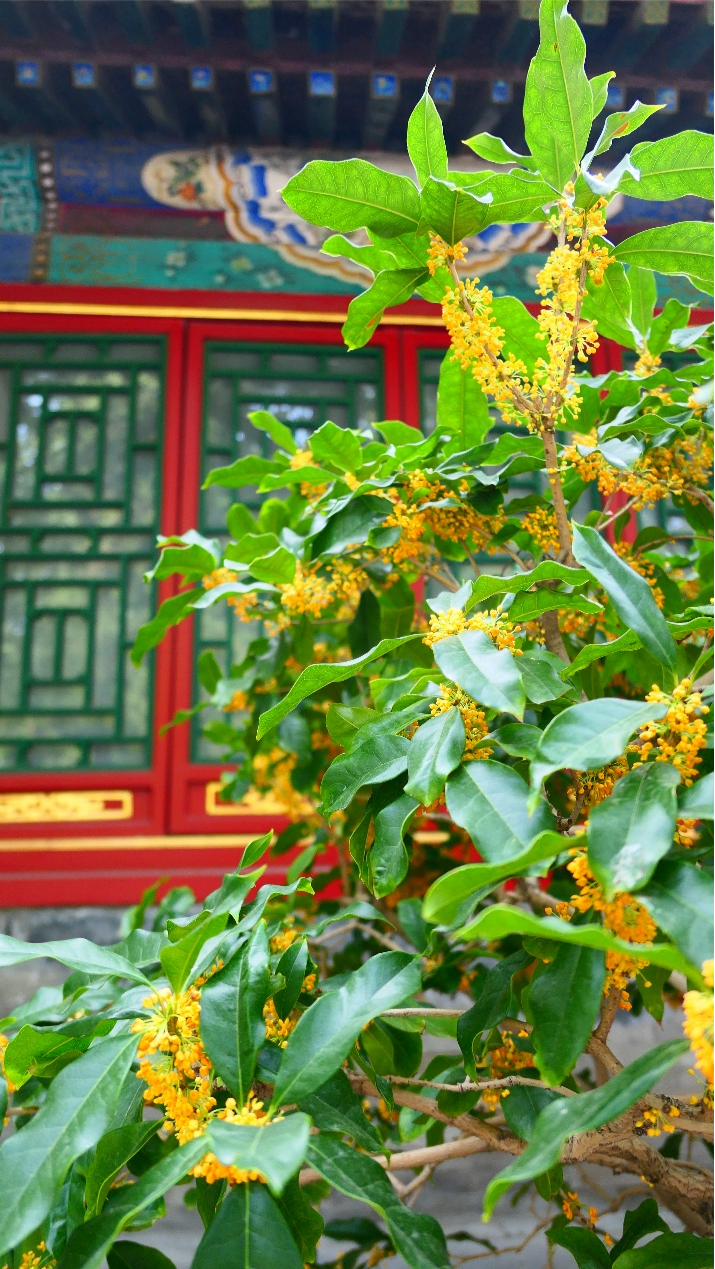
The Summer Palace is not only a royal garden ensemble of architecture and landscape that requires conservation, but also a “living” cultural space where traditional horticultural knowledge continues to be practiced, taught, and transmitted. By embedding the ongoing care of imperial bonsai within the historic royal-garden setting, the Summer Palace is transformed from a static historic monument into an active platform for transmitting horticultural knowledge and traditional skills.
The Summer Palace itself functions as a “living classroom”. Its horticultural skills are transmitted across generations primarily through the master-apprentice system and are institutionalized through an Inheritor Training Plan aligned with national heritage policies. The significance of this approach lies in the fact that traditional knowledge is not preserved in isolation from its setting or merely through textual documentation; rather, it remains alive through hands-on practice within the authentic garden environment.
The Summer Palace further extends this tradition from professional horticultural practitioners to the broader public through festivals and educational activities. Public programmes have included thirteen consecutive Spring Festival Plum and Wintersweet Exhibitions and twenty-four Autumn Osmanthus Festivals. In education, the Summer Palace has established a Science and Education Base and delivered more than 80 workshops in primary and secondary schools, reaching over 6,000 students.
The Summer Palace's imperial bonsai tradition has also been showcased at major international events, including APEC 2014, the 2019 Beijing International Horticultural Expo, and the 2022 Beijing Winter Olympics.
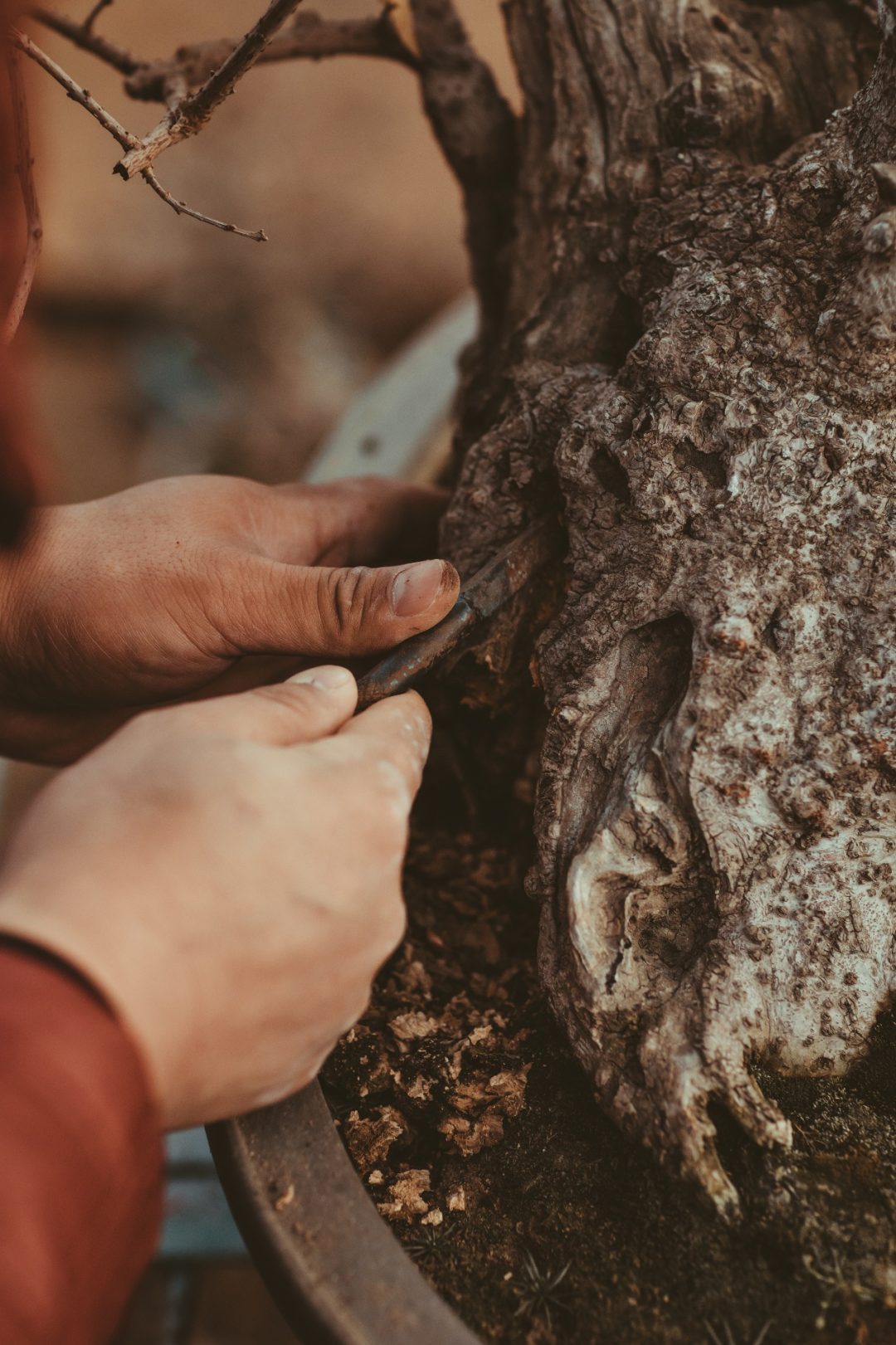
The Summer Palace does not merely preserve bonsai; more importantly, it sustains the horticultural intelligence that keeps them alive. The vitality of a heritage place depends on the unbroken practice and transmission of the traditional skills that shaped it. The significance of this case therefore goes beyond “displaying intangible cultural heritage at a historic monument”. It reveals a deeper relationship: the tangible setting of the Summer Palace provides an authentic space for practicing imperial horticultural skills, while the continued vitality of those living skills, in turn, sustains the site's cultural meaning and vitality.
1.For more information about UNESCO, please visit:https://www.unesco.org/en
2.For more information about ICCROM, please visit:https://www.iccrom.org/
3.For more information about Joint Lab of Heritage & Landscape Conservation by BFU and ICCROM, please visit:
https://sola.bjfu.edu.cn/cn/BFUICCROM/index.html