



Latest news
An academic study comparing the carbon market mechanisms of Vietnam and China has been released as Vietnam gears up to launch its first domestic carbon exchange.
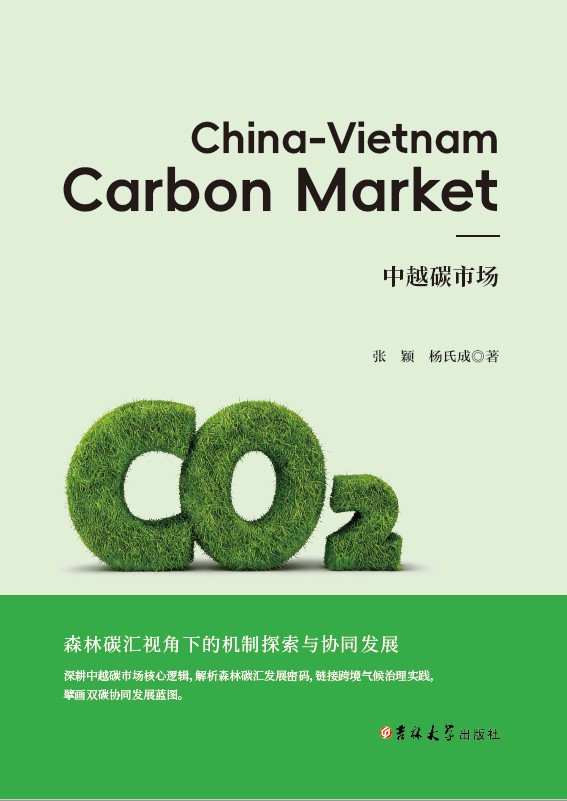
China-Vietnam Carbon Market is co-authored by Vietnamese scholar Duong Thi Thanh, who has long specialized in forest carbon sinks, and Professor Zhang Ying, her doctoral supervisor at Beijing Forestry University (BFU).
An example of Sino-Vietnamese cross-border academic and industry cooperation, the work aims to provide academic support for Belt and Road Initiative (BRI) cross-border climate governance.
Before choosing to pursue a doctoral degree at the School of Economics and Management at BFU, Duong noticed that Vietnam's forest carbon sink market remained largely uncharted and under-researched.
"What do forest carbon sinks mean for Vietnam? The country has a high forest coverage rate of 42 percent, with 14.7 million hectares of forest that collectively absorb an estimated 69.8 million metric tons of carbon dioxide annually," Duong said.
She noted that this massive green asset provides strong momentum for Vietnam to establish a forest carbon sink market, adding that a scientific accounting methodology is a crucial prerequisite for driving investment in forest conservation and sustainable management.
During her studies and research at BFU, she found that China's experience in marketizing forestry carbon sinks, from regional pilots to a national rollout, alongside its accumulated expertise in carbon credit development and trading rule design, offers direct reference value for Vietnam, which is currently in the nascent stage of building its own carbon market.
After graduation, Duong returned home to teach at Bac Giang Agriculture and Forestry University in Vietnam, but maintained research ties with her alma mater remained. Leveraging Duong's intimate knowledge of Vietnam's carbon market policies and forest resources, and Professor Zhang's decades-long expertise in China's resource and ecological value evaluation and accounting, the pair continued to track carbon market dynamics in both countries.
Their years of research culminated in the 10-chapter China-Vietnam Carbon Market monograph. The publication systematically examines the supply, demand and trading mechanisms of both markets, providing an in-depth comparison through specific case studies of Beijing and Quang Ninh Province in Vietnam. The academic background of the pair allowed them to craft cross-national research with a genuine "two-way perspective". Rather than simply transplanting China's experience or describing Vietnam's situation in isolation, it seeks synergistic pathways through comparison.
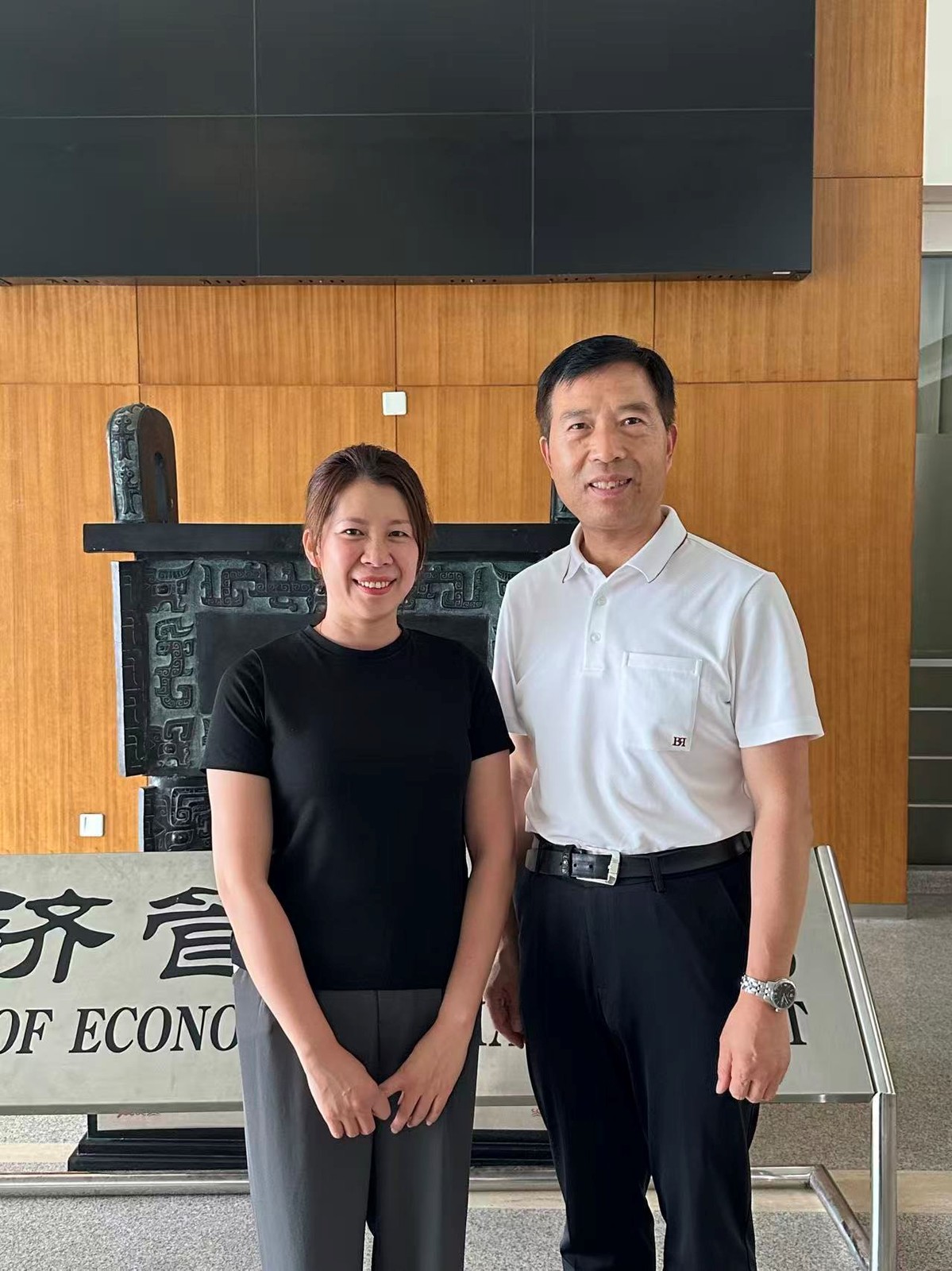
With climate change mitigation becoming a major global issue, the publication taps into deepening cooperation between China and Vietnam in climate governance. From international student education to the joint production of high-level, cross-border scientific research by faculty and alumni, Duong's academic trajectory reflects how international education cooperation under the BRI is advancing toward a new stage of "knowledge co-creation".
From China Daily
Written by Ma Yetong, Song He


